
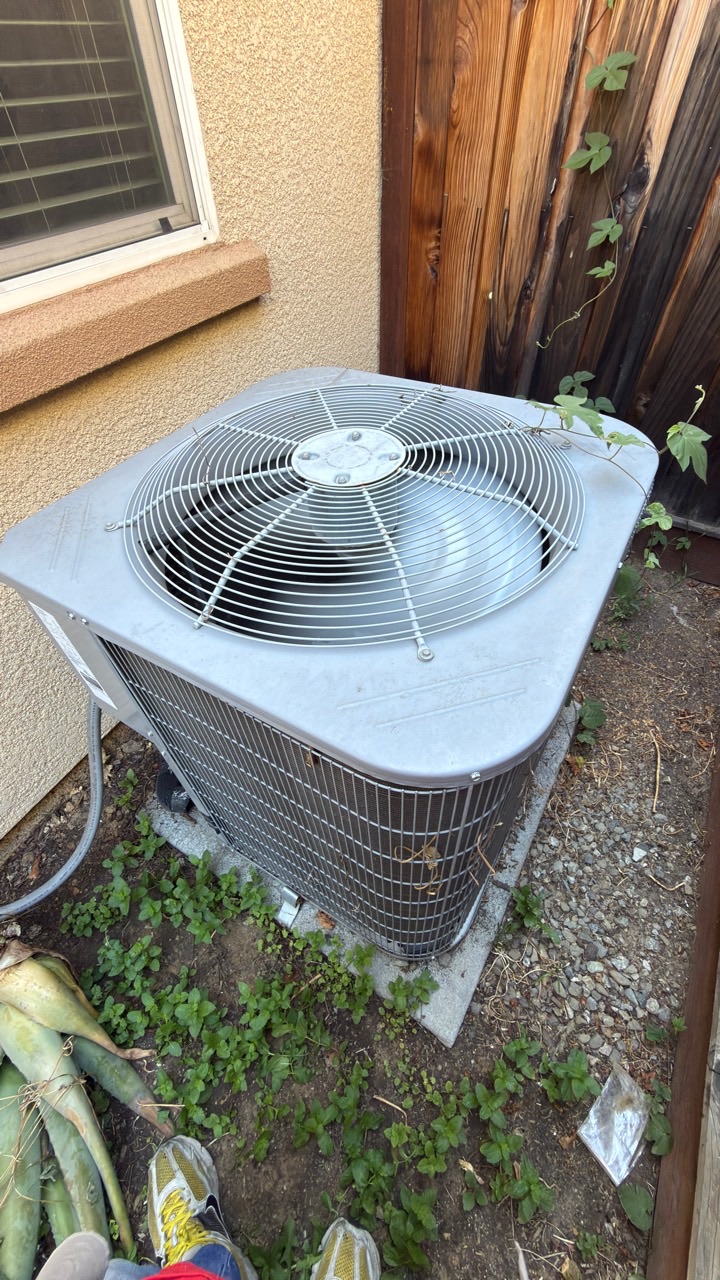
Repair Summary
- City
- Livermore, CA
- Appliance
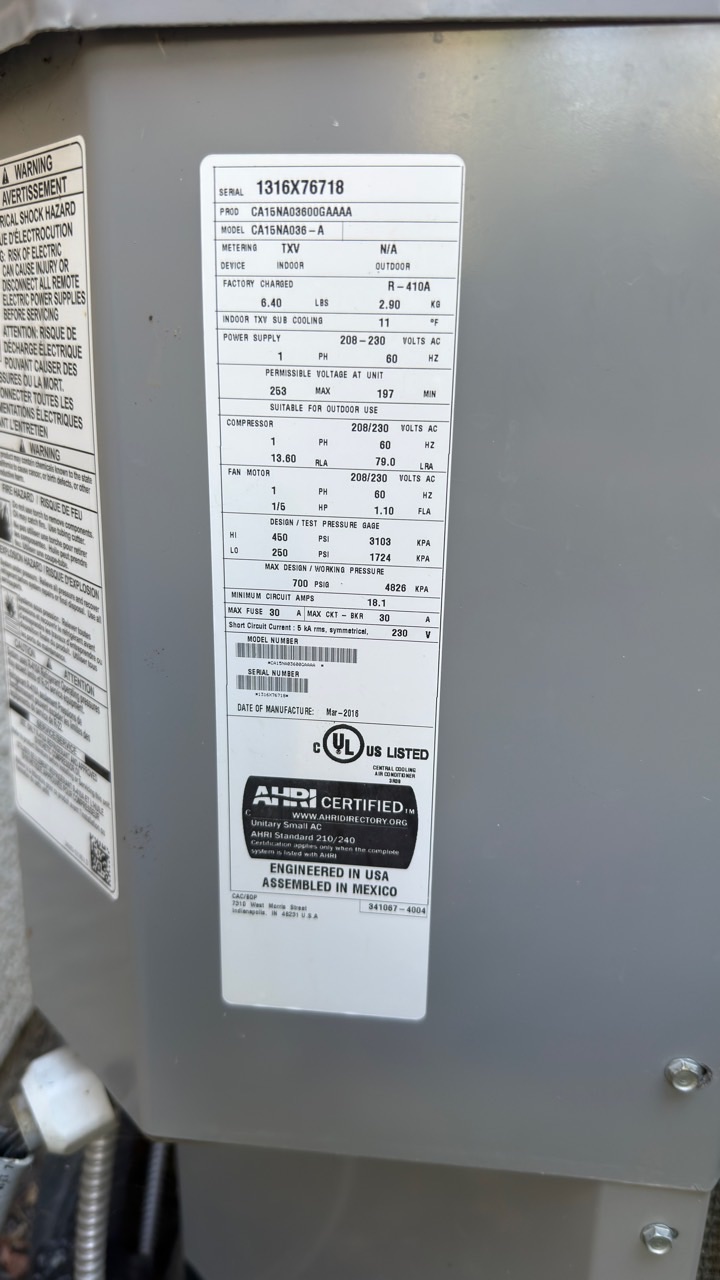
- Carrier central air conditioner, model CA15NA036-A, product CA15NA03600GAAAA, serial 1316X76718, R-410A
- Replacement Parts
- None
- Problem
- The central air conditioner was running but barely cooling the home
- Diagnosis
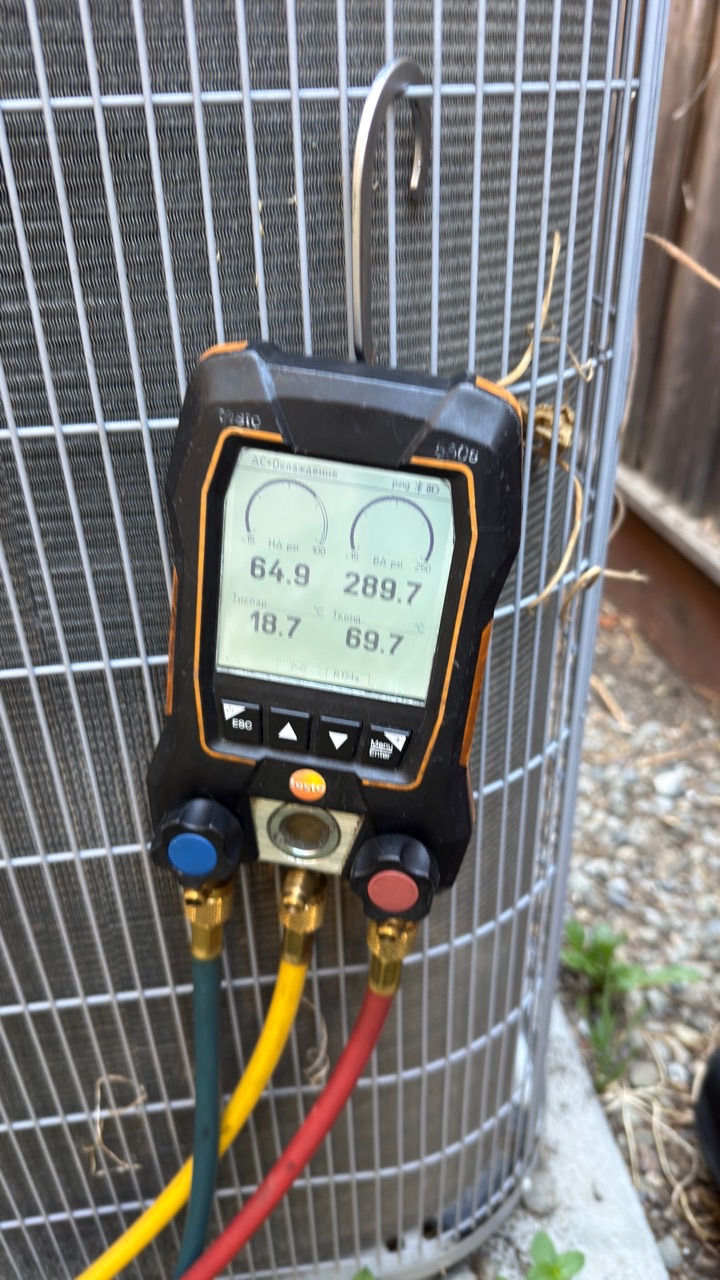
- Initial readings were approximately 59-65 psi on the low side and 278-290 psi on the high side
- Cause
- The immediate loss of cooling was associated with an evaporator icing condition
- Repair
- We stopped the cooling cycle, used heating mode under technician control to accelerate a safe thaw, allowed the evaporator to defrost, and then repeated pressure and temperature tests after the system stabilized in cooling mode.
- Result
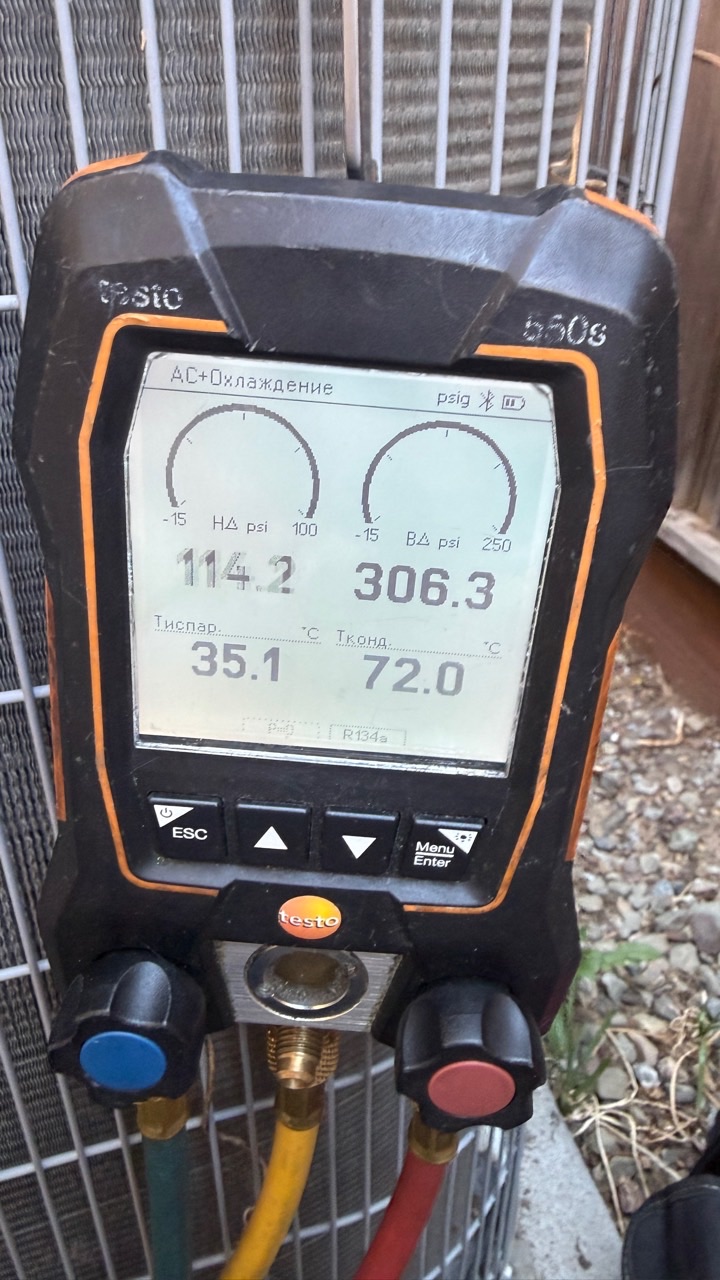
- After thawing, pressures stabilized at approximately 113-116 psi low side and 305-313 psi high side
Location: Livermore, CA
Appliance: Carrier central air conditioner, model CA15NA036-A, product CA15NA03600GAAAA, serial 1316X76718, R-410A
Replacement parts used: None. No refrigerant was added.
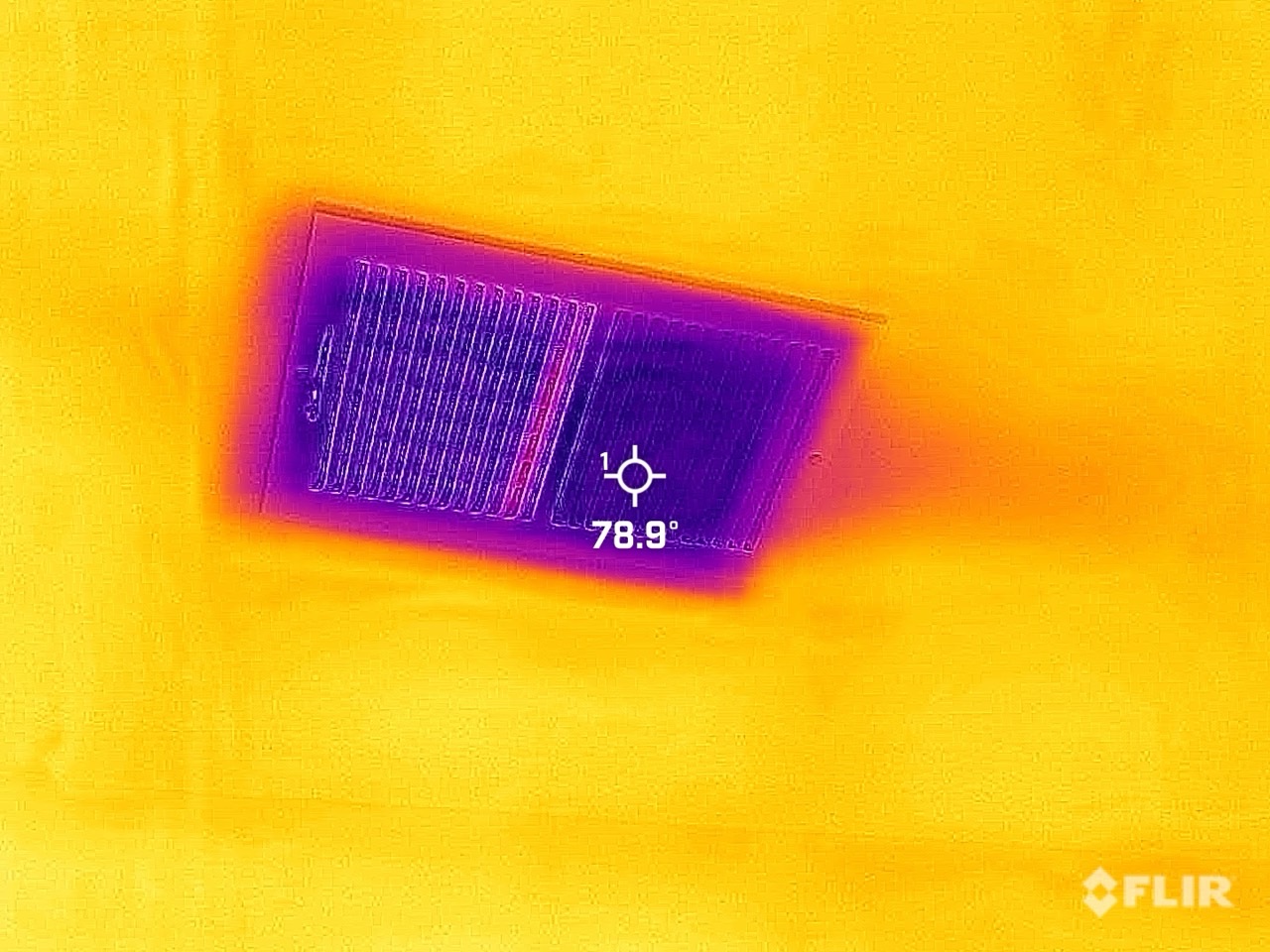
Customer complaint: The central air conditioner was running but barely cooling the home. Indoor temperature was approximately 84-90°F, while supply air was about 79°F, producing only a 5-6°F temperature split.
Diagnosis: Initial readings were approximately 59-65 psi on the low side and 278-290 psi on the high side. The low suction pressure, weak temperature split, and slow pressure equalization indicated that the evaporator coil might be iced, so the readings could not be used to justify adding R-410A.
Cause: The immediate loss of cooling was associated with an evaporator icing condition. The visit did not establish a permanent underlying cause; restricted airflow, filter or vent problems, a TXV issue, a partial restriction, or refrigerant charge should be evaluated if icing returns.
Repair completed: We stopped the cooling cycle, used heating mode under technician control to accelerate a safe thaw, allowed the evaporator to defrost, and then repeated pressure and temperature tests after the system stabilized in cooling mode.
Result: After thawing, pressures stabilized at approximately 113-116 psi low side and 305-313 psi high side. Supply air dropped to approximately 70-75°F with indoor air near 88°F, producing a normal 13-18°F temperature split. Cooling was restored without an unnecessary refrigerant recharge.
Carrier central AC diagnosis in Livermore
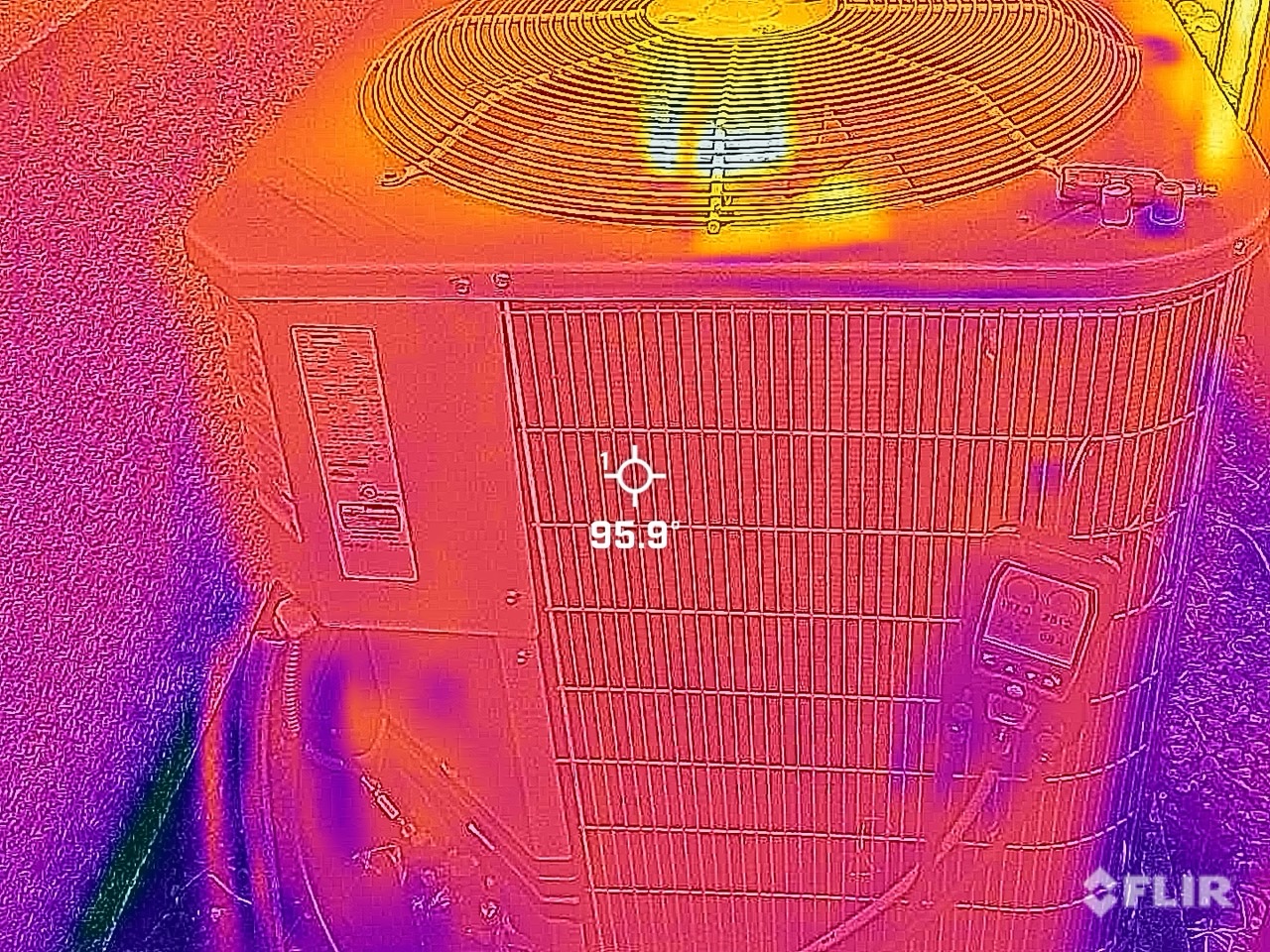
A Livermore customer requested air conditioner service during hot weather because the system ran without lowering the indoor temperature. The house was approximately 84-90°F, and thermal testing at a supply register showed air near 79°F. A temperature difference of only 5-6°F was not enough to cool the home effectively.
We inspected the outdoor condenser, measured the supply-air temperature, and connected digital gauges to evaluate the refrigeration circuit. The equipment label identifies a Carrier model CA15NA036-A using R-410A.
Why low suction pressure did not automatically mean low refrigerant
With the compressor operating, the initial low-side pressure was approximately 59-65 psi and the high side was approximately 278-290 psi. For the observed outdoor conditions, the suction pressure was unusually low. Possible explanations included low refrigerant charge, restricted airflow through the indoor coil, a metering-device problem, a partial restriction, or an evaporator already covered with ice.
Pressure readings alone should not be used to add refrigerant. An iced evaporator changes airflow and refrigerant behavior, which can make the system appear undercharged. Adding R-410A before the coil is fully thawed can lead to an incorrect charge and unnecessary cost.
Safe evaporator thaw and repeat cooling test
After the outdoor unit was stopped, pressure between the low and high sides equalized slowly. Instead of adding refrigerant, we first removed the suspected icing condition. Heating mode was used under technician supervision to warm the indoor section and accelerate thawing, and the system was then allowed the necessary time to defrost.
Once the evaporator was thawed, we restarted cooling and waited for operating conditions to stabilize. This repeat test provided a much more reliable picture of system performance.
Pressure and temperature results after thawing
After the thaw, low-side pressure stabilized near 113-116 psi and high-side pressure near 305-313 psi. Supply-air temperature decreased to approximately 70-75°F while indoor air was near 88°F.
The resulting temperature split was approximately 13-18°F, confirming that the system could again deliver normal cooling. Because cooling performance recovered after the evaporator was thawed, no R-410A was added during this service visit.
Carrier CA15NA036-A equipment information
The outdoor-unit data label shows model CA15NA036-A, product CA15NA03600GAAAA, and serial 1316X76718. The factory label specifies R-410A refrigerant and a factory charge of 6.40 lb. These identifiers should be recorded before ordering components or evaluating model-specific service data.
Recommendations after an iced evaporator coil
The customer was advised to replace or clean the air filter regularly, keep return and supply vents open, and monitor airflow from the registers. If cooling becomes weak again or ice appears on the insulated suction line, cooling should be turned off and the system should be professionally diagnosed.
If the condition returns, the next visit should include airflow and indoor-coil inspection plus model-specific checks of the metering device, possible restrictions, and refrigerant charge. Continuing to operate an iced system can repeatedly freeze the evaporator and place unnecessary stress on the compressor.
Air conditioner repair in Livermore
24FAR provides local air conditioner repair in Livermore and professional central AC repair service, including pressure testing, airflow diagnosis, frozen-coil inspections, and cooling-performance checks.
If your central air conditioner runs but does not cool, book service online or call (510) 999-6091.
Schedule appliance repair today
Send us your appliance brand, symptom and city. We will help you find the next available appointment.